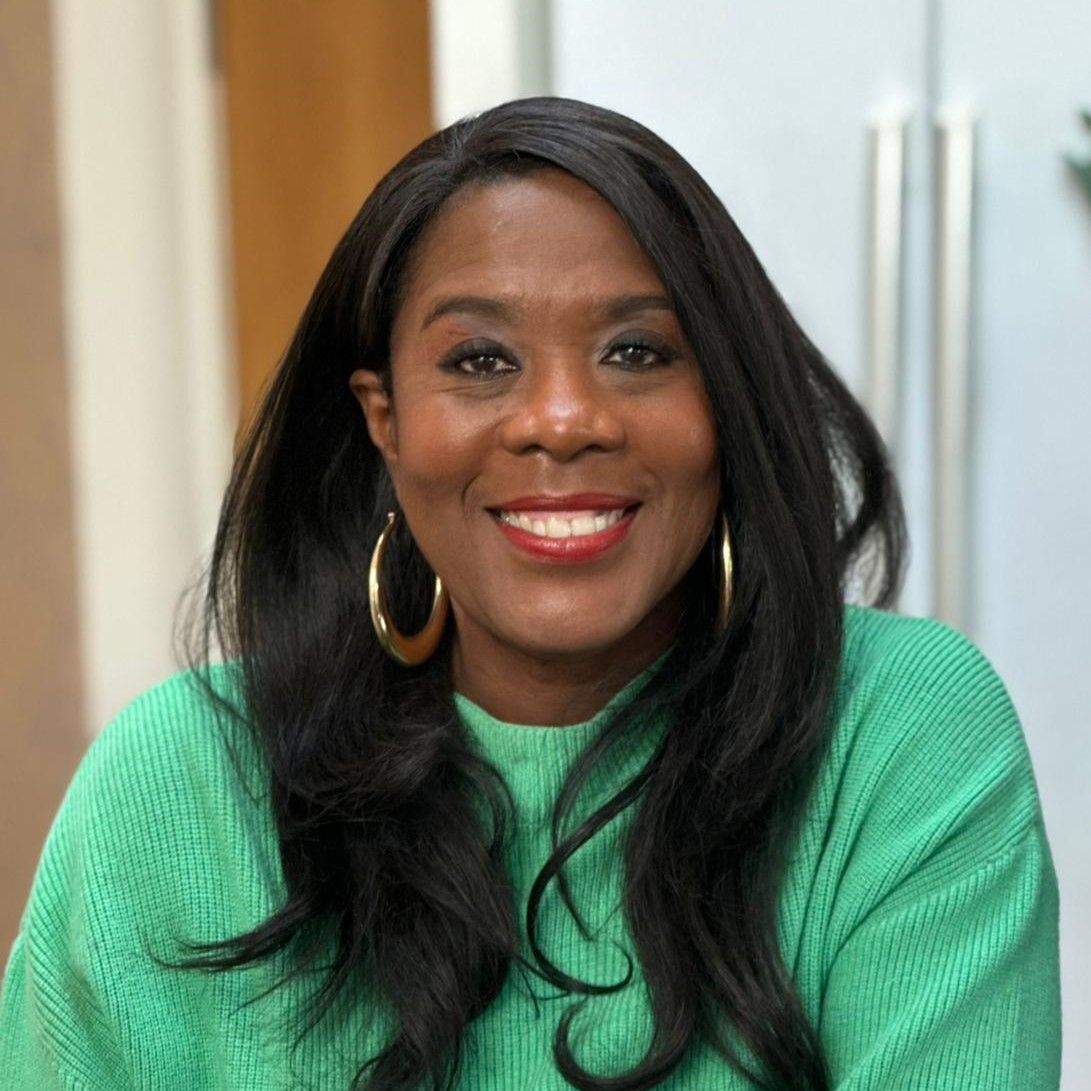
We caught up with Tessa Sanderson, CBE ahead of our upcoming event where the former Olympic gold medallist will join us for an interactive session to discuss her journey into sport, being an athlete and life after retirement.
Tell us about your journey to become an Olympic gold medallist? What was it like to compete at the highest level for over two decades?
The journey started at school when I was discovered by my PE teacher. She identified that I had a special talent for sports in sports day competitions, so she went on to introduce me to my first sports club. Once I started to train, it wasn’t easy. Finance was hard to come by and funding and sponsorship weren’t available. There were a lot of costs involved, like travelling to and from competitions, training, equipment, dietary regimes with food supplements and vitamins and so on and since my own family didn’t have much money to spare, they had to undertake many odd jobs to keep it all going. It made success all that more important.
In terms of what it was like to compete on a world stage, it tests your ability to its fullest, especially when up against your strongest competitors. Losing, or underperforming when you have worked so hard to shine, was a challenge, but it built resilience. Then there were the wonderful moments, standing on the stage wearing your national costume and competing for your country. Being on the world circuit also led to countless opportunities to meet a wonderfully diverse group of people, many I still share long-term friendships with.
You participated in every Summer Olympics from 1976 to 1996. What are some of the key factors that contributed to your longevity and success in such a demanding sport?
The key factors that contributed to my success were absolute self-belief, commitment and dedication to training. It’s important to be resilient, confident and be able to bounce back after a major setback or injury. Having a great coach helps, and being proactive towards ongoing learning sharpens your technical skill. It’s also important to work hard on focus, especially during competitions. It’s essential to be able to control and target your emotions when you’re in the arena.
Sportsmanship is also important for longevity, respecting your fellow competitors but competing aggressively when you are called upon to deliver.
After retiring from active competition, how did you transition your lifestyle? What role does physical activity play in your life today?
I maintained the same positive habits that I picked up while competing in sport at the highest level and it’s as basic as maintaining a healthy lifestyle and an active mind.
I’ve kept busy by becoming an ambassador for my sport, which is very rewarding, and I’m active in the community, working with several different charities for causes important to me.
I also keep busy with an active business life. I work in media, on TV and radio and in commercial roles, and I spend time learning how to hone the best skills in that field.
What are the most valuable lessons you learned from sports that you have applied to other areas of your life, particularly in later years?
I’ve learnt that confidence, self-belief and how to be resilient have helped me achieve success in various aspects of my life. The most important lesson learnt though is the importance of strong family support balanced with decent, quality alone time. It’s important to nurture connections whilst also allowing time for the body and mind to recuperate.
What advice would you give to others who want to embrace a physically active lifestyle but may not know where to start? What are good athletics sports to get into?
Start with an activity that you personally really enjoy, or feel passionate about. Being dragged into any activity that’s not interesting can sometimes be quite demoralising and short-lived.
Find a sports club, or explore what's on at your local health and fitness centre. Enquire about coaching assistance or a workout group - there are so many ways to stay healthy and fit. Next, it’s important to set yourself goals, but realistic ones, that you can enjoy working towards.
Having been a leading figure in athletics, how do you view the evolution of women’s participation in sports? What changes have you seen that are particularly positive? What about older women in sports?
Whilst there are lot more sports and activities available for women to take part in today, there's still major change needed in the industry. We can see some recent improvements, such as the perceptions of women in football for example, but there’s a long way to go.
The community needs to work harder to build up respect for women in sport, as they deserve equality and the right to the same recognition. Not just ‘on the field’, but in the boardroom and in management roles, especially high-performance sports.
How do you see the role of sports in promoting wellness and socialisation among the older generations, especially within communities like Wallacea Living?
We need to see greater diversity and inclusion for older generations, as well as more safety in place to encourage older women to exercise by themselves or, take up outdoor sporting activities. Overall, it needs to be more inclusive and accessible.
I’m a believer, and a role model, in that age is not a barrier. From all sides, more needs to be done to showcase strong empowering women making a difference in their 60s, 70s, 80s and beyond.
Looking ahead, do you have any new goals or aspirations, either within the realm of sports or beyond?
I love speaking at events, it gives me a great buzz and I meet so many interesting people. I’d like to present my own lifestyle TV or Radio show that covers a variety of topics with women at the forefront, and I’d like to continue my work as an ambassador in sport whilst promoting healthy living.
For more information about our upcoming event with Tessa Sanderson CBE, click here.
Key to the Wallacea Living vision is supporting owners to maintain their health by helping them take a proactive approach to their wellbeing. The in-house wellbeing team will offer six-monthly health MOTs, nutrition advice and exercise and wellness classes, as well as clubs and events that focus on keeping the body and mind active. Owners can also make use of a private GP portal for easier access to appointments. Should more support be needed, the Wallacea Living care team can offer in-home care from a team, trained to care certificate standards.
To arrange a visit please contact us.